
Every student and job seeker in Pakistan dreams of a stable, successful career. People spend years studying, preparing, and hoping that one day everything will work out. But the truth is, many careers don’t fail because of lack of opportunities , they fail because of wrong decisions and repeated mistakes.
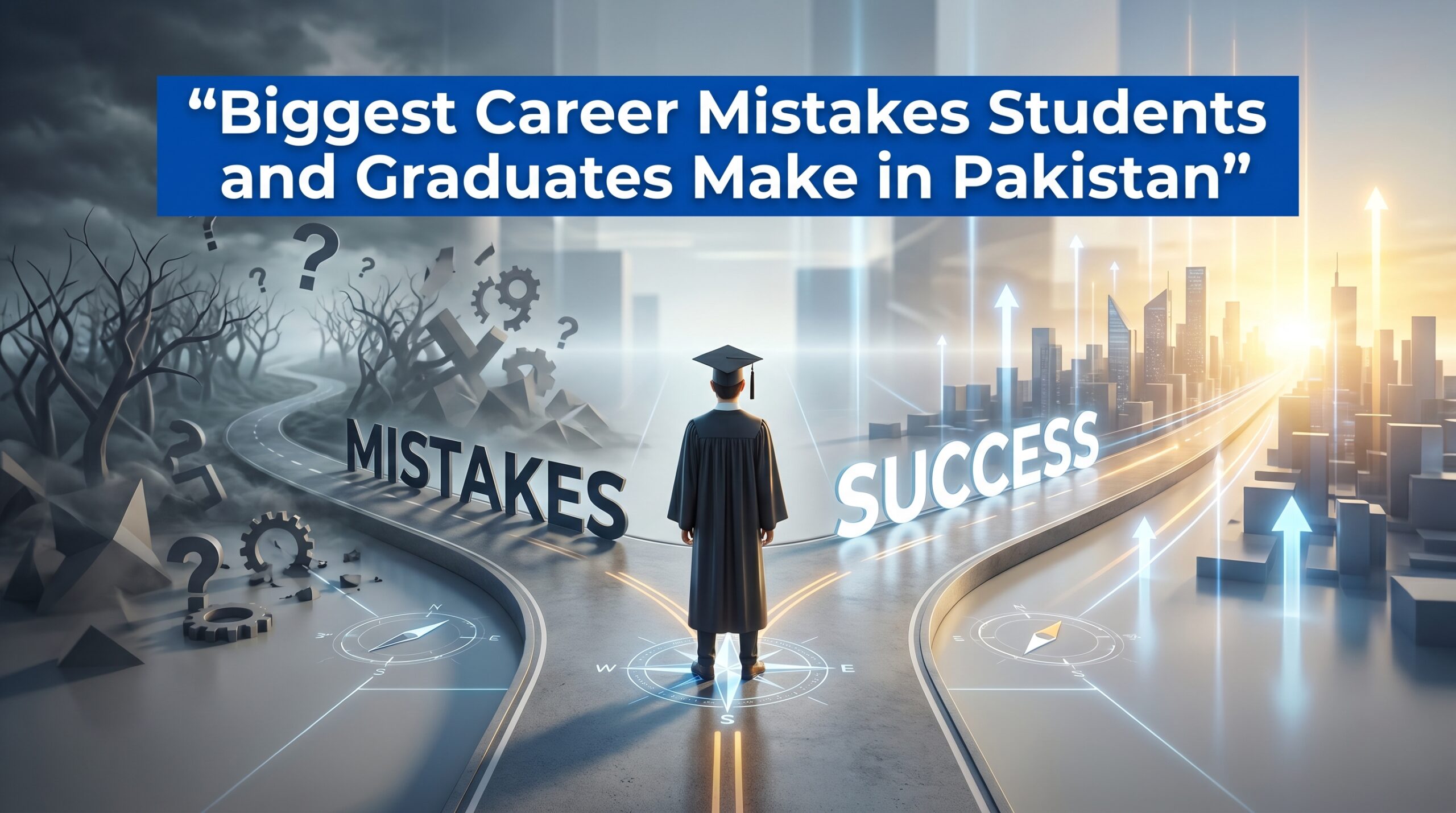
What makes it more serious is that most of these mistakes are not obvious. People keep repeating them without realizing the long-term damage they are causing. By the time they understand, valuable time has already been lost.
If you want to build a strong future, it is not enough to just work hard. You also need to avoid the mistakes that slow down your growth.
This guide explains the top career mistakes that are ruining your future in Pakistan, along with practical understanding so you can recognize and fix them early.
Ignoring Skill Development and Only Focusing on Degrees
One of the biggest mistakes students make in Pakistan is believing that a degree alone is enough to build a successful career.
While education is important, it is no longer the only factor that employers consider. Today, companies are more interested in what you can actually do rather than what degree you have.
Many students complete their graduation without learning any practical skills. When they enter the job market, they struggle because they cannot perform real tasks.
For example, a student may have a business degree but does not know how to use basic tools like Excel, communication techniques, or digital platforms. Another student with the same degree but better skills will always have an advantage.
Ignoring skill development slows down your career from the very beginning.
Waiting Too Long to Start Your Career
Another common mistake is waiting for the “perfect time” or “perfect job” before starting.
Many students think:
- “I will start after graduation”
- “I will only work if I get a good salary”
- “I will wait for a better opportunity”
This waiting mindset wastes valuable time.
The reality is that early experience matters more than a perfect start. Even small internships, part-time jobs, or freelance work can help you learn and grow.
A person who starts early gains confidence, experience, and understanding of the market. Someone who delays remains stuck at the same level.
Applying for Jobs Without Strategy
Many job seekers in Pakistan apply for jobs randomly. They send the same CV to every job without understanding the requirements.
This reduces their chances of getting selected.
A smart approach is to:
- Apply for relevant positions
- Customize your CV according to the job
- Understand job requirements before applying
For example, if a job requires communication skills and computer knowledge, your CV should clearly highlight those abilities.
Random applications waste time and reduce your confidence.
Not Improving Communication Skills
Communication is one of the most important skills in any career, but it is often ignored.
Many candidates have good knowledge but cannot express it properly. This becomes a major problem in interviews and workplaces.
In Pakistan, English communication also plays an important role in many jobs. Even basic communication skills can make a big difference.
For example, a candidate who can confidently explain their ideas is more likely to impress employers than someone who struggles to speak.
Ignoring communication skills limits your growth opportunities.
Fear of Failure and Rejection
Fear is one of the biggest hidden reasons behind career failure.
Many people:
- Avoid applying for jobs
- Do not attend interviews
- Give up after rejection
This fear stops them from trying new opportunities.
Rejection is a normal part of career growth. Every successful person faces rejection at some stage.
Instead of avoiding it, use rejection as a learning experience. Understand what went wrong and improve for the next opportunity.
Lack of Consistency
Consistency is more important than talent in career growth.
Many students start learning new skills with motivation but stop after a few days. This breaks their progress.
For example, someone may start learning English or digital skills but quits because results are not immediate.
Real growth happens when you:
- Practice regularly
- Stay consistent
- Improve step by step
Without consistency, even the best plans fail.
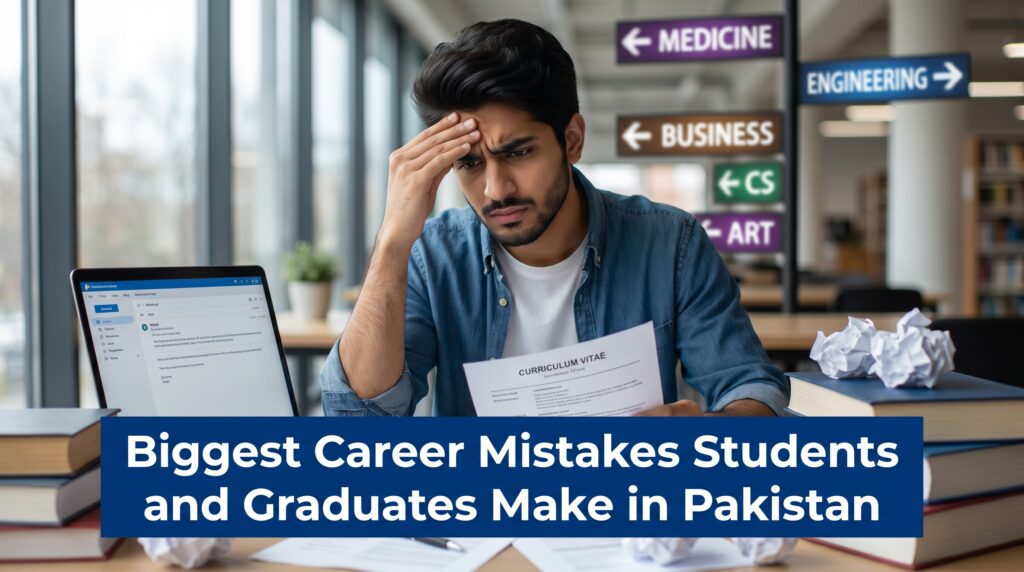
Choosing Career Without Proper Research
Some students choose their career based on:
- Family pressure
- Friends’ decisions
- Trends without understanding
This often leads to dissatisfaction and poor performance.
Choosing the right career requires:
- Understanding your interests
- Researching market demand
- Knowing future opportunities
For example, choosing a field just because it is popular does not guarantee success if you are not interested in it.
Ignoring Learning After Graduation
Many people stop learning after completing their degree. This is a major mistake.
The job market is constantly changing. New skills, tools, and technologies are introduced regularly.
Those who continue learning stay ahead. Those who stop learning fall behind.
For example, digital skills have become important in almost every field. People who learn these skills have better opportunities.
Poor Time Management
Time management plays a crucial role in career growth.
Many students waste time on:
- Social media
- Unproductive activities
- Delaying important tasks
This reduces productivity and slows progress.
Managing time effectively allows you to:
- Study regularly
- Learn new skills
- Apply for jobs properly
Small improvements in time management can lead to big results.
Not Building Confidence
Confidence is often ignored but is extremely important.
A person with average skills but high confidence can perform better than someone with good skills but low confidence.
Confidence affects:
- Interviews
- Communication
- Decision-making
Building confidence requires practice, experience, and self-belief.
Comparing Yourself with Others
Comparison is another mistake that harms career growth.
When you compare yourself with others:
- You feel discouraged
- You lose focus
- You doubt your abilities
Every person has a different journey. Instead of comparing, focus on your own progress.
Avoiding Responsibility
Some people avoid taking responsibility in work or learning. They prefer staying in their comfort zone.
But growth happens when you:
- Take challenges
- Accept responsibility
- Learn from mistakes
Avoiding responsibility limits your potential.
Not Building a Long-Term Vision
Many people focus only on short-term goals like getting a job quickly. They do not think about long-term growth.
A strong career requires:
- Planning
- Skill development
- Continuous improvement
Without a long-term vision, progress becomes slow and directionless.
Real-Life Scenario
Consider two students who graduate at the same time.
One focuses only on passing exams and starts job search after graduation. The other learns skills, improves communication, and gains experience during studies.
After graduation, the second student gets better opportunities faster because they prepared earlier.
This shows how avoiding mistakes can change your future.
How to Fix These Mistakes
The good thing is that these mistakes can be corrected.
Start by:
- Learning useful skills
- Improving communication
- Staying consistent
- Applying smart strategies
- Building confidence
Small changes can lead to major improvements over time.