
Most people don’t really think much about their cholesterol levels until something unexpected shows up in a medical report. It usually happens during a routine check-up. You feel fine, you’re living your normal life, and suddenly the doctor mentions that your cholesterol is higher than it should be. That moment can be confusing. You start wondering how serious it is and whether you’ll need medication for the rest of your life.
But the reality is not always that extreme. In many cases, especially when cholesterol is only slightly elevated, it can be managed naturally. The body responds surprisingly well to consistent, simple changes. You don’t need to completely change your life overnight. You just need to understand what’s affecting your health and adjust things gradually.
I remember someone from my neighborhood, a middle-aged man who had a very typical routine. He would leave early for work, sit most of the day, eat whatever was easily available, and come back home tired. There was no serious illness, no obvious warning signs. But when he got tested, his cholesterol was higher than normal. Instead of immediately relying on medication, he decided to make small changes. Nothing dramatic, just better habits. Over time, those small steps made a clear difference in his reports.
That’s the key idea , natural improvement doesn’t happen instantly, but it does happen when you stay consistent.
Understanding Cholesterol in a Simple Way
Before trying to fix anything, it helps to understand what cholesterol actually is. Many people think it’s something completely harmful, but that’s not entirely true.
Cholesterol is a substance your body needs. It plays a role in building cells and producing certain hormones. The issue begins when the levels become unbalanced. Too much of the wrong type can slowly create problems inside the body.
There are two main types people usually hear about. One is considered helpful, often called good cholesterol. The other is the type that can cause trouble if it increases too much. When that happens, it can start building up inside the blood vessels, making it harder for blood to flow properly. Over time, this puts pressure on the heart.
The tricky part is that high cholesterol usually doesn’t show clear symptoms. You can feel completely fine and still have an imbalance. That’s why regular check-ups matter.
Daily Eating Habits Have a Huge Impact
Food plays a bigger role than most people realize. What you eat every day quietly shapes your internal health. It doesn’t always show immediate results, but over time, it builds up.
Highly processed foods, deep-fried items, and packaged snacks often contain unhealthy fats. These types of foods are convenient, but they don’t support heart health. When they become a regular part of your routine, they can gradually increase bad cholesterol levels.
On the other hand, simple home-cooked meals can make a big difference. Meals that include vegetables, whole grains, and balanced portions provide the body with what it actually needs.
I’ve seen people make a noticeable improvement just by reducing how often they eat outside food. They didn’t completely stop, they just became more mindful. Instead of eating fast food several times a week, they limited it to once in a while. That small change alone helped them feel lighter and more energetic.
Eating isn’t just about filling your stomach. It’s about giving your body the right kind of fuel.
Fiber Is Quietly Powerful
One of the most underrated parts of a healthy diet is fiber. It doesn’t get much attention, but it plays a very important role in managing cholesterol.
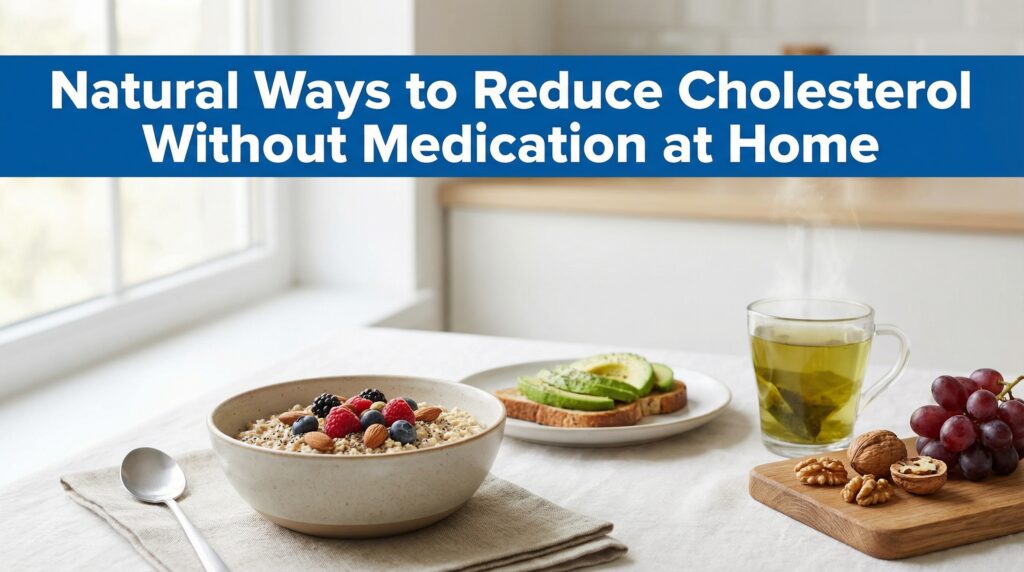
Fiber helps the body remove excess cholesterol before it gets absorbed into the bloodstream. Foods like oats, fruits, vegetables, and whole grains are naturally rich in fiber.
A friend of mine once struggled with slightly high cholesterol. He didn’t make major changes at first. He simply added a bowl of oats to his morning routine and started eating more fruits during the day. It felt like a small adjustment, but over time, it showed results.
The interesting thing about fiber is that it works quietly. You don’t feel it doing anything, but it supports your body in a very natural way.
Staying Active Makes a Difference
Movement is another important factor, but it doesn’t have to be complicated. Many people think they need a strict gym routine, but that’s not necessary for everyone.
Simple physical activity can go a long way. Walking, light jogging, or even staying active throughout the day helps improve blood circulation and supports better cholesterol balance.
I’ve seen people who started with just a short daily walk. At first, it felt like a small effort, but after a few weeks, it became part of their routine. They felt more energetic, and their overall health started improving. The key is consistency, not intensity. You don’t need to exhaust yourself. You just need to keep moving regularly.
Body Weight and Cholesterol Connection
There’s a strong connection between body weight and cholesterol levels. Carrying extra weight can make it harder for the body to maintain a healthy balance.
The good part is that even a small reduction in weight can lead to noticeable improvements. You don’t need to aim for extreme weight loss. Even losing a few kilograms can help your body function better.
One thing I’ve noticed is that people who focus on gradual improvement tend to get better results. Instead of following strict diets, they make simple changes , eating smaller portions, avoiding unnecessary snacks, and staying active. Over time, their body adjusts naturally.
Choosing Better Fats Instead of Avoiding All Fats
There’s a common misunderstanding that all fats are harmful. In reality, some fats are actually beneficial. Healthy fats, found in foods like nuts, seeds, and certain oils, can support heart health when used in moderation. They help improve the balance between different types of cholesterol.
Instead of completely removing fats from your diet, it’s better to focus on the quality. Replacing unhealthy fats with better options can slowly improve your overall health.
Reducing Sugar and Processed Intake
Sugar may not seem directly connected to cholesterol, but it does play a role. High sugar intake can lead to weight gain and other metabolic issues, which then affect cholesterol levels.
Drinks, desserts, and packaged snacks often contain hidden sugars. When consumed regularly, they can quietly add up.
I’ve seen people improve their health simply by cutting down on sugary drinks. They didn’t stop everything at once. They just reduced the frequency. That alone made a difference.
Stress Affects More Than You Realize
Stress is something most people deal with, but they don’t always connect it to physical health. When stress becomes constant, it affects habits.
People under stress often eat poorly, skip physical activity, and struggle with sleep. All of this indirectly affects cholesterol levels.
Managing stress doesn’t have to be complicated. Sometimes, just taking time to relax, going for a walk, or stepping away from work can help. I’ve seen individuals who started giving themselves small breaks during the day. Over time, it helped them feel calmer and more balanced.
Sleep Plays a Bigger Role Than Expected
Sleep is often ignored, especially in busy routines. But it has a strong impact on overall health.
When you don’t get enough rest, your body doesn’t function properly. It affects metabolism, energy levels, and even how your body manages cholesterol. Improving sleep doesn’t require big changes. Simple habits like maintaining a regular sleep time and reducing screen exposure before bed can help.
Building a Routine That Works for You
When you look at all these factors together, one thing becomes clear , there is no single solution. It’s about combining small habits into a routine that works for you.
You don’t need to follow a strict plan. You just need to be consistent with simple actions. Eating better, moving regularly, managing stress, and getting enough rest , these things slowly build a healthier lifestyle.
I’ve seen people who didn’t make dramatic changes, but they stayed consistent. Over time, their health improved naturally.