
Hair is one of the most visible signs of health and vitality. For many people, it’s not just about appearance; it’s closely linked to confidence and self-esteem. When hair starts falling excessively or thinning, it can feel alarming. Losing 50–100 hairs a day is considered normal, but when the hair shedding increases significantly, it becomes important to pay attention. Thankfully, there are natural ways to prevent hair loss and stimulate hair growth, and most of these methods can be practiced at home without expensive treatments or harmful chemicals.
I remember my cousin Sameera, who in her late twenties began noticing her hair thinning near the crown of her head. She tried multiple shampoos and conditioners, hoping for a miracle solution, but nothing worked. Eventually, she realized that the key was a combination of healthy diet, scalp care, natural oils, and stress management. Within a few months of consistent effort, she noticed her hair becoming thicker, shinier, and healthier. This is proof that patience, consistency, and natural remedies often outperform chemical or commercial solutions.
Understanding the Causes of Hair Loss
Before tackling hair loss, it’s essential to understand why it happens. Hair can fall out due to genetics, hormonal imbalances, poor nutrition, stress, scalp infections, environmental damage, and excessive use of chemical products or heat.
For example, my friend Imran experienced sudden hair thinning after months of work stress. His diet was irregular, he slept poorly, and he often skipped meals. Once he focused on proper nutrition, hydration, and regular scalp care, the hair shedding reduced significantly. On the other hand, people with a family history of hair thinning may experience gradual hair loss even if they follow a healthy lifestyle.
Understanding the underlying cause helps target the right solutions. Hair loss isn’t always about using the “right shampoo” ,sometimes, it’s about internal health, nutrition, and lifestyle adjustments.
Importance of Nutrition for Hair
Hair is made up of a protein called keratin. Without adequate protein intake, hair can become weak, brittle, and prone to falling. But protein alone is not enough. Vitamins, minerals, and essential fatty acids are crucial to maintain healthy hair.
Foods rich in iron, zinc, biotin, vitamins A, C, D, and E, and omega-3 fatty acids provide essential nutrients for hair growth. My aunt, for instance, struggled with hair thinning for years. Once she started eating eggs, spinach, almonds, yogurt, and salmon regularly, she noticed a visible difference in her hair texture and density within three months. Even simple swaps, like replacing processed snacks with fruits and nuts, have a significant impact.
Moreover, hydration is an often overlooked but vital aspect of nutrition. Water helps transport nutrients to hair follicles, keeps the scalp hydrated, and prevents dryness and breakage. Drinking at least 2–3 liters of water daily and incorporating water-rich fruits like watermelon and cucumber can contribute to healthier hair.
Scalp Care and Blood Circulation
Healthy hair begins with a healthy scalp. A clogged or irritated scalp can prevent hair follicles from functioning properly. Washing hair regularly with a mild, natural shampoo removes dirt, excess oil, and pollutants without stripping essential oils.
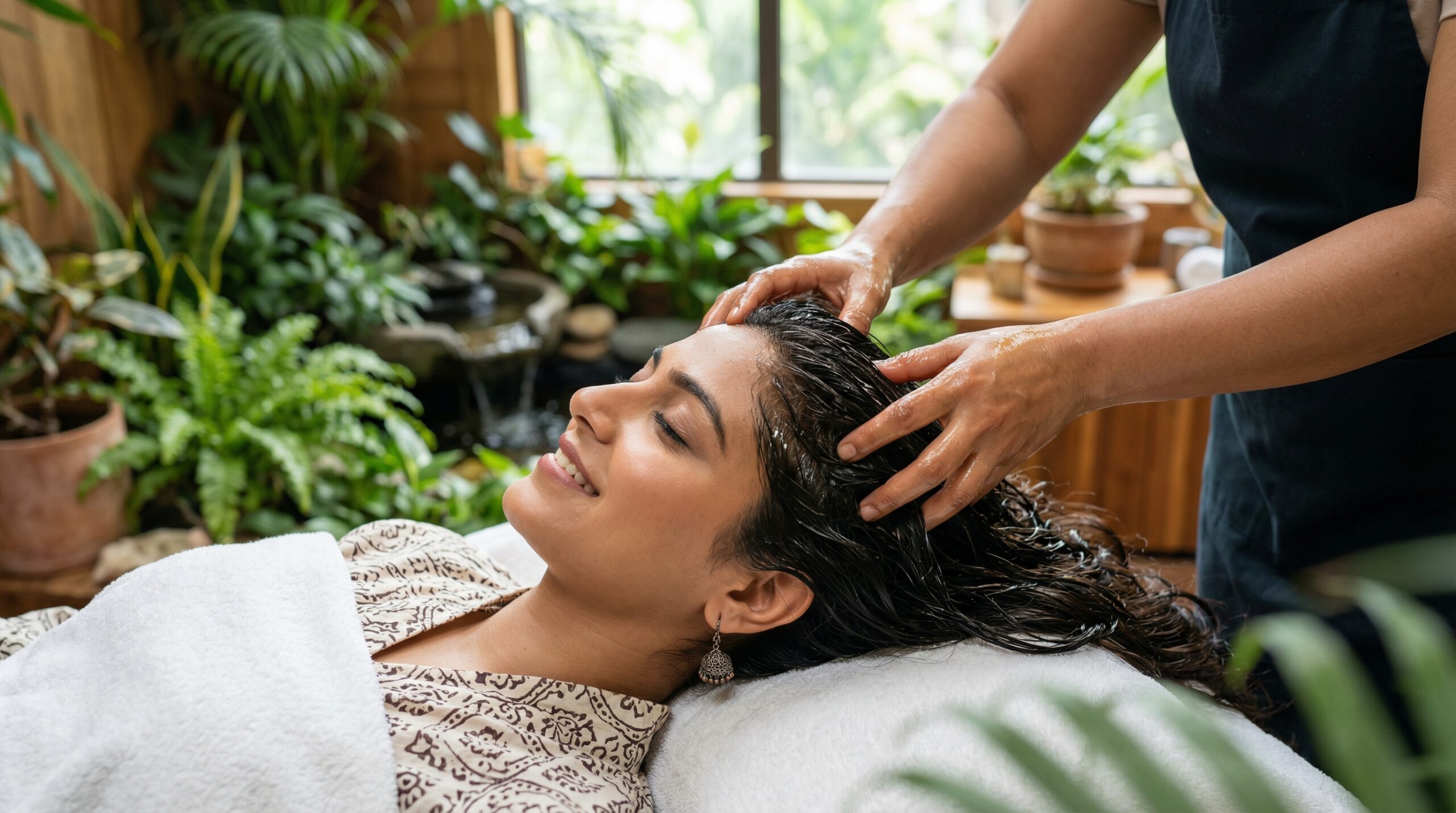
Scalp massages are extremely beneficial. Massaging the scalp with natural oils for five to ten minutes improves blood circulation, delivering nutrients to the roots. My friend Sana began massaging her scalp with almond oil nightly. Within months, she noticed her hair became stronger, shinier, and less prone to breakage. Massaging doesn’t just stimulate growth; it relaxes the scalp and reduces tension, which is often a hidden cause of hair fall.
Benefits of Natural Oils
Natural oils have been used for centuries to improve hair health. Coconut oil penetrates the hair shaft, preventing protein loss and strengthening hair from within. Castor oil contains ricinoleic acid that stimulates circulation to the follicles. Almond oil nourishes with vitamins and fatty acids, while aloe vera soothes the scalp and maintains moisture.
My cousin Aliya applied a mixture of coconut oil and aloe vera to her hair twice a week. Over time, her hair became shinier, smoother, and less prone to split ends. These natural oils work gently but effectively, unlike harsh chemical treatments that can temporarily mask problems but may weaken hair in the long run.
Avoiding Excessive Heat and Chemicals
Excessive heat styling ,such as straighteners, curling irons, and blow dryers ,can damage hair and make it brittle. Similarly, chemical treatments like hair dyes, perms, and relaxers weaken hair structure.
My friend Sana loved styling her hair daily with a straightener. After a few months, her hair started breaking near the roots, and her scalp became dry and irritated. When she reduced heat styling and embraced natural air-drying and protective hairstyles, her hair gradually regained its strength and shine.
This highlights a crucial point: protecting hair from harsh chemicals and heat is as important as nourishing it naturally.
Stress and Hair Loss
Stress is a major contributor to hair fall. Chronic stress triggers telogen effluvium, a condition where hair prematurely enters the shedding phase. Stress management is often overlooked in hair care routines, but it plays a direct role in hair health.
My colleague Rida experienced significant hair shedding during her final exams. She began meditating, practicing deep breathing exercises, and taking short daily walks. Within a few weeks, she noticed reduced hair fall and felt calmer. Stress management doesn’t just improve hair ,it enhances overall well-being.
Gentle Hair Handling
Daily hair habits can protect or damage hair. Avoid brushing wet hair roughly, use wide-tooth combs, and tie hair loosely to reduce tension. Sleeping on silk or satin pillowcases reduces friction and prevents breakage.
My friend Danish switched to silk pillowcases and noticed fewer tangles and less breakage in the mornings. Even small changes in daily hair care can make a significant difference over time.
Avoiding Overwashing
Many people think washing hair frequently keeps it clean, but overwashing can strip natural oils, leaving hair dry and brittle. Washing 2–3 times per week with a gentle shampoo is sufficient for most people.
My neighbor Zoya used to wash her hair daily with a strong shampoo. Her hair became dry and frizzy. Once she reduced washing frequency and applied a weekly oil treatment, her hair became smoother, stronger, and more manageable.
Environmental Protection
Pollution, UV rays, and harsh weather can weaken hair over time. Covering hair with a scarf or hat and using protective serums can shield hair from damage.
My mother always covered her hair in sun or dusty weather, and over the years, her hair remained thick and strong, unlike others who ignored environmental protection. Simple precautions can go a long way in preserving hair health.
Homemade Remedies and Masks
Several natural remedies help improve hair health when used consistently:
- Honey and olive oil masks for shine and moisture
- Fenugreek seeds paste to reduce hair fall
- Aloe vera gel for scalp soothing
- Onion juice to stimulate scalp circulation
My friend Sana used honey and olive oil masks twice a week. Over months, her hair became softer, stronger, and less prone to breakage. Home remedies are safe, effective, and cost-friendly alternatives to commercial products.
Lifestyle and Exercise
Exercise improves blood flow to the scalp, supporting hair growth. Yoga, cardio, and even brisk walking can help.
Lifestyle choices like proper sleep, reduced caffeine and sugar intake, and stress management are equally important. My cousin Faisal noticed thicker, healthier hair after morning walks, avoiding junk food at night, and sleeping 7–8 hours regularly.
Common Mistakes to Avoid
- Tight hairstyles like ponytails or braids
- Overuse of chemicals or heat styling
- Ignoring diet and hydration
- Stress accumulation and poor sleep
Avoiding these mistakes is as crucial as implementing natural hair care habits.